How European Wedding Timing Differs from Traditional Weddings
Why do European wedding timelines run so differently—and why won’t your DJ manage cultural timing for you?
Here’s the click‑worthy truth: European wedding timing (especially Portuguese and Italian weddings) follows a totally different rhythm than traditional North American timelines. And in the Toronto area, where weddings blend cultures, traditions, and family expectations, this can make or break your night.
If your wedding includes European customs, you need to understand how timing works before the big day. And you need a DJ who knows how to adapt without taking over the planning.
Let’s walk through it in a simple way so you can plan a smooth, stress‑free wedding.
Why European Wedding Timing Works Differently
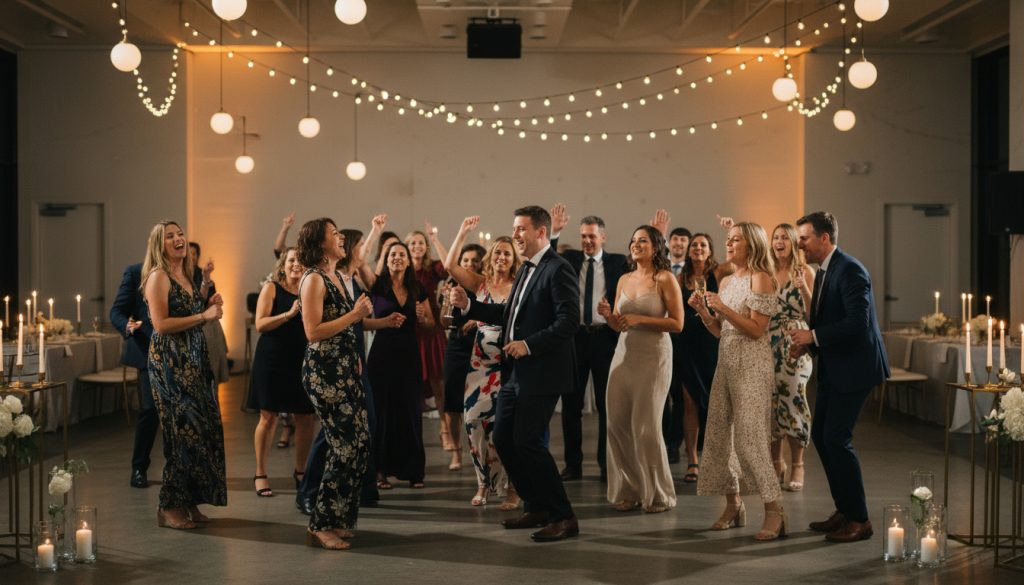
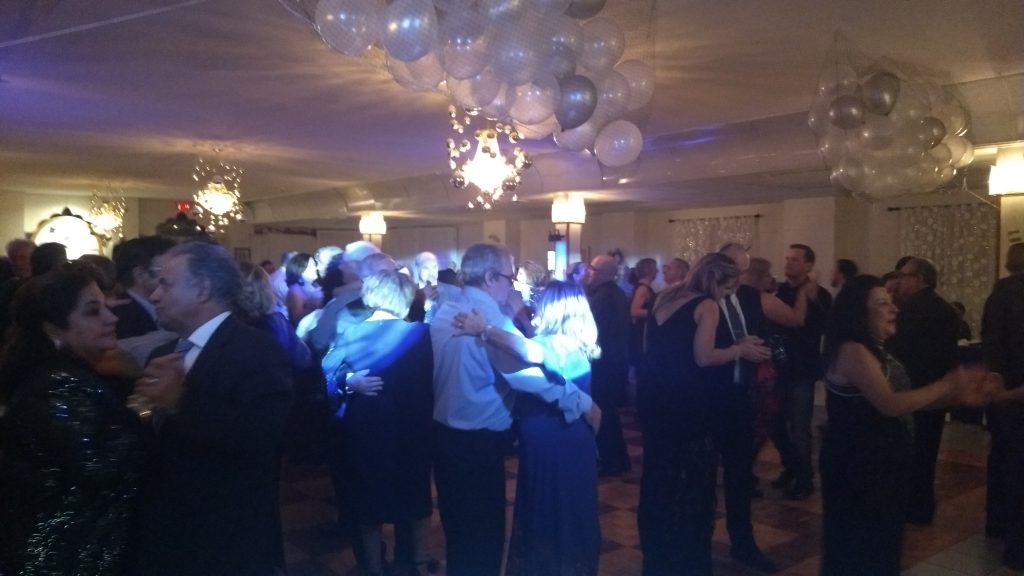
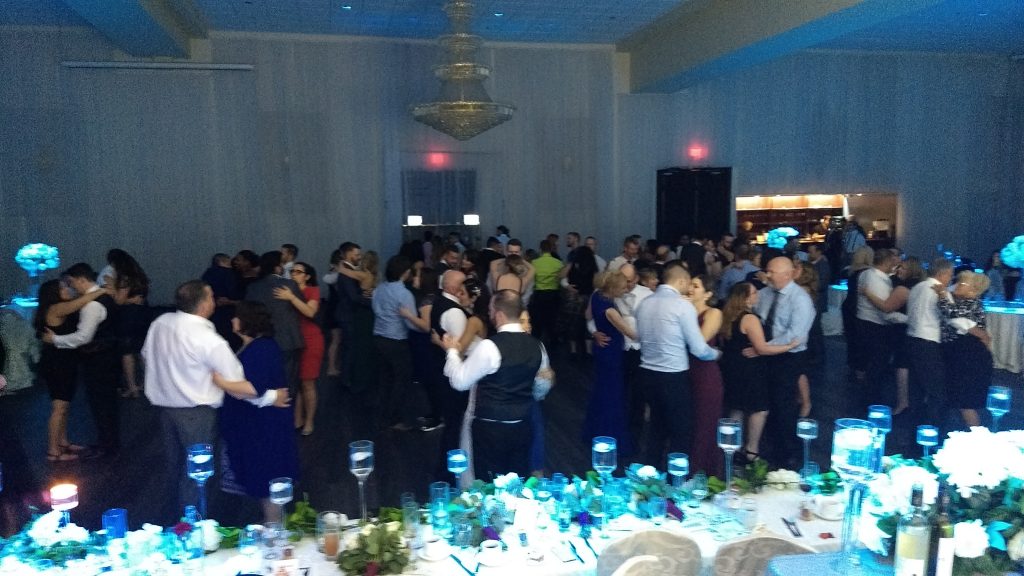
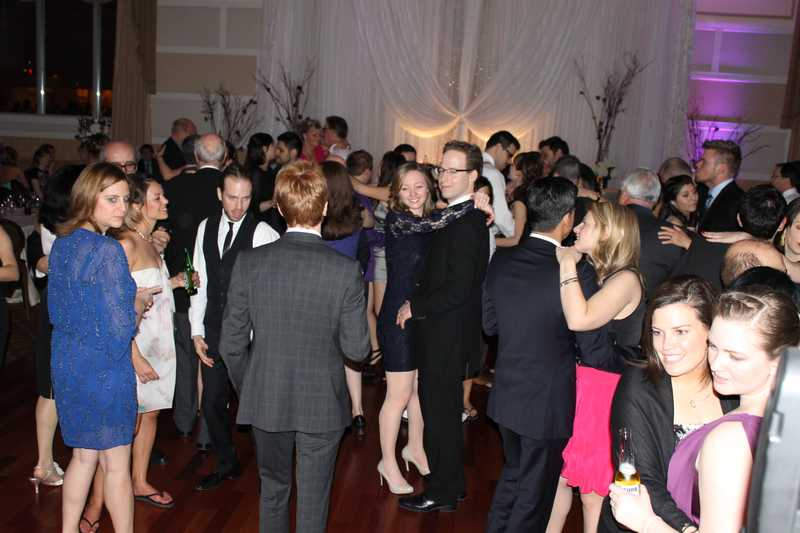
European weddings flow like a long, joyful feast. There is no rush. There is no countdown clock. And the night can stretch all the way to sunrise.
Most Portuguese and Italian weddings follow a pattern like this:
• Long cocktail hour
• Slow dinner with several courses
• Speeches spread out, not bunched together
• Dancing between courses
• Surprise traditions from family members
• A late‑night dessert wedding table
• Party that goes until 1, 2, or even 3 a.m.
In Toronto, couples with European backgrounds often try to mix these traditions with the North American “standard” wedding timeline. That’s where things get messy.
The Big Problem: Timing Isn’t the DJ’s Job
Many couples think the DJ controls the flow of the night. But here’s the reality:
The DJ can guide the energy. The DJ can hype the room. But the DJ does not create your cultural timeline.
Your timing must come from you, your planner, or your family—especially when cultural traditions are involved.
If a DJ tried to control this, the night would fall apart. A DJ doesn’t know:
• When your Nonna wants the first dance
• When your Tia wants to bring out the seafood course
• When your uncle plans a surprise speech
• When the family expects a money dance
• When the dessert table is supposed to open
That’s why elite DJs follow your timeline—not create it.
Why European Timing Confuses Toronto Venues
Most Toronto venues operate on a strict North American timeline:
• Cocktail hour: 1 hour
• Dinner: 2–2.5 hours
• Speeches: grouped together
• First dance: before dinner or after dinner
• Dance floor opens: around 9 p.m.
But European weddings throw this off.
Portuguese and Italian guests expect:
• Dancing after every course
• Food served slowly
• A wedding that ends well past midnight
Most venues aren’t built for this. Many have strict end times at 12 or 1 a.m.
So if you want the European rhythm, you must plan for it. And your DJ needs to be ready to adapt.
What Happens When You Mix the Two Styles
Toronto weddings often become a hybrid. And hybrids need structure.
Here’s what usually happens:
• Couples want the European dance‑between‑courses style.
• Venues want the North American one‑block‑at‑a‑time schedule.
• Families want to insert traditions.
• The couple expects the DJ to run everything.
That’s when the night goes off the rails.
The truth is simple:
Your DJ is not your wedding coordinator.
A good DJ follows the plan. A great DJ helps fill the gaps. But no DJ can build your cultural timing from scratch.
How EliteDJ Handles European Timing in Toronto
This is where experience matters.
EliteDJ has handled hundreds of Portuguese and Italian weddings across the GTA—Mississauga, Toronto, Hamilton, Burlington, Vaughan, and more.
We know the flow.
We know the family dynamics.
We know the energy shifts.
Here’s how we handle timing:
• We help you shape a timeline that works for your venue.
• We advise where cultural traditions fit best.
• We keep the night moving without rushing.
• We coordinate with your venue and planner.
• We stay flexible so nothing feels forced.
And most important:
We protect the dance floor.
Because no matter how many courses you have, people come to dance.
European Wedding Timing vs Traditional Weddings (Simple Breakdown)
Here’s a 5th‑grade‑friendly comparison.
European (Portuguese/Italian)
• Long dinner
• Many food courses
• Dancing between courses
• Party goes late
• Family‑driven timing
• Surprise traditions
Traditional North American
• Short dinner
• Fewer courses
• Dancing after dinner only
• Ends earlier
• Venue‑driven timing
• Very structured
Why This Matters for Your DJ
Your DJ needs to know:
• When to play slow vs hype music
• When to open the dance floor
• How to handle gaps
• How to keep energy high during long dinners
• How to time special songs
But the DJ cannot decide:
• When each course comes out
• When speeches happen
• When traditions start
• When surprises happen
Those decisions must be made before the wedding day.
The Most Common Problems Couples Face
Here are the issues we see again and again:
• No one creates a timeline
• Families expect the DJ to run the night
• Speeches run too long
• Food is late
• Venue and family argue about timing
• Dance floor keeps opening and closing
You can avoid all of this with one fix:
Create your cultural timeline early—and share it with your DJ.
How to Build a Strong European‑Style Timeline in Toronto
Here is a simple plan that works in almost every GTA venue.
1. Cocktail Hour (1 hour)
Set the energy early with light music.
2. Grand Entrance
Bring in the hype.
3. First Dance or Save It for Later
European weddings often save it till after dinner.
4. Dinner Course #1
Relax and enjoy.
5. Quick Dance Set
Open the dance floor for 10–20 minutes.
6. Dinner Course #2
A slower vibe.
7. Speeches
Short and spaced out.
8. Dinner Course #3
Main course.
9. Dance Set #2
Now the party builds.
10. Dessert + Wedding Table
A highlight of many Portuguese and Italian weddings.
11. Final Dance Set
This is where the DJ shines.
Why Timing Impacts Your Dance Floor
Dance floors live or die on timing. Too many breaks kill energy. Too few breaks tire out guests.
European weddings walk this line more than any other.
Great DJs keep the crowd hooked between food courses and traditions. But only when the timing is clear.
Why Couples Choose EliteDJ
Couples across Toronto pick EliteDJ because:
• We understand European wedding timing.
• We know how Toronto venues operate.
• We help you avoid timing disasters.
• We keep your dance floor full.
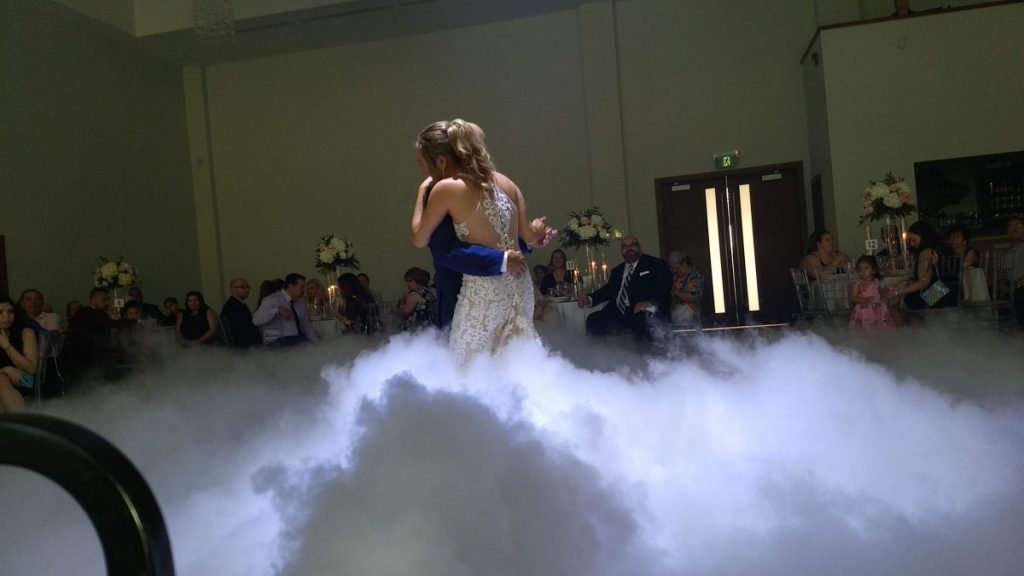
• We handle DJ, cold sparks, dry ice, and photobooth services.
We don’t run the night. We power it.
Final Thoughts
European wedding timing is beautiful, joyful, and full of tradition. But it needs structure to work in the Toronto area.
Your DJ won’t handle cultural timing—but the right DJ will help you bring your timing to life.
Plan early. Share details. And trust professionals who understand your culture.
EliteDJ is here to make your night unforgettable.
FAQ – European Wedding Timing & Toronto DJ Services
How is European wedding timing different?
European weddings use long dinners, many courses, dancing between meals, and late‑night parties. Timing is slower and more relaxed.
Why won’t the DJ handle cultural timing?
Because cultural timing comes from family traditions, food service, and planned moments. DJs support timing—they don’t create it.
Do Toronto venues allow European pacing?
Most do, but you need to plan ahead. Some have strict end times.
Can EliteDJ help plan the timing?
Yes. We guide you, help you structure it, and make it flow with your venue.
Is dancing between courses okay in Toronto?
Yes, but not all venues are used to it. EliteDJ can help coordinate.
Can we mix European and North American timing?
Yes. Many Toronto weddings use a hybrid timeline. We help make it smooth.
How late can the party go?
Most GTA venues close at 12 or 1 a.m. Some extend for a fee.
Should we tell the DJ about surprise traditions?
Yes. Surprises are fun, but only when the DJ knows how to support them.
What makes EliteDJ different?
Experience with European weddings, Toronto venues, cultural timing, and crowd energy. Plus we offer dry ice, cold sparks, and photobooths.
How early should we share our timeline?
At least 30 days before the wedding.