By DJ Tony S, Founder · Updated November 2026
Traditions are not decoration. They are how a family says “you belong here.”
Ask ten couples what a wedding tradition is and you will get ten answers. A church blessing. A tarantella. A cash envelope. A plate of bacalhau at midnight. A grandmother who finally hears the song she danced to in 1968.
I have DJed more than 6,000 weddings and events across Toronto and the GTA. The couples who feel best about their wedding are rarely the ones who followed every rule. They are the ones who chose the traditions that actually meant something and skipped the rest.
This guide covers the traditions that come up most often in Toronto, how to blend two cultures without turning the day into a performance, and the practical questions to settle before you book a venue or a DJ.
Why wedding traditions still matter
A tradition gives guests a role. It tells your mother what to do with her hands. It gives your grandfather a reason to stand up. It makes the room feel like a family instead of an audience.
That is the real value. Not the ritual itself — the belonging it creates.
But traditions also carry expectations. Who pays. Who speaks. Who sits where. Which language the announcements are in. Ignoring those expectations does not make them disappear; it usually moves the tension to the wedding day.
The couples who handle this well do one thing: they talk about it early. Not in the final week, when the seating chart is already printed.
The five kinds of traditions to plan
Ceremony traditions. Processional order, readings, vows, blessings, crowns, coins, handfasting, broom jumping — the ritual itself.
Family-role traditions. Godparents, sponsors, witnesses, padrinos, koumbaro, the people who sign the register or hold the rings.
Food traditions. The long dinner, the midnight soup, the bacalhau, the five almonds, the croquembouche, the vodka toast.
Music traditions. The tarantella, the pimba block, the Greek circle dance, the Polish polka, the father-daughter song.
After-party traditions. The late-night snack, the second venue, the cash envelope, the breakfast the next morning.
You do not need all five. Pick the two or three that your families will actually remember.
European wedding traditions at a glance
Europe is not one wedding format. A Greek wedding and a Polish wedding can feel like different planets.
- Portuguese: church blessing, padrinos and madrinhas, a long dinner, pimba and fado, sugared almonds.
- Italian: the cash envelope (la busta), five confetti almonds, a long multi-course dinner, the tarantella.
- Greek: the koumbaro or koumbara, the stefana crowns, Greek circle dances, and sometimes plate smashing.
- Polish: bread, salt and vodka at the door, the gate (brama), the oczepiny capping ceremony, polka.
- Ukrainian: the korovai bread, the rushnyk embroidered cloth, horilka toasts.
- Spanish: the thirteen arras coins, the lazo lasso, flamenco and Spanish guitar.
- French: the vin d’honneur, the croquembouche, the late-night onion soup.
- German: the Polterabend, sawing a log, wedding games.
- Irish and Scottish: handfasting, the quaich, tartan, a ceilidh.
Each of those deserves its own guide. The three most common in Toronto get one below.
Traditions from other cultures
Toronto weddings are not only European. South Asian weddings bring mehndi, sangeet, baraat and multiple ceremonies. Caribbean weddings bring rum cake, dancehall and a long after-party. African weddings bring family elders, dress changes and drumming. Middle Eastern weddings bring the zaffa and the dabke. East Asian weddings bring tea ceremonies and respect for elders.
The principle is the same: ask what the family expects, then decide what you can realistically fit into one day.
How to blend two cultures without losing either
The mistake is treating one culture as the main event and the other as a five-minute nod. Guests notice. So does the family.
- Give each culture a real block. Not one song. A ceremony moment, a dinner course, a dance set.
- Agree on the language plan. Which announcements are in both languages? Who speaks? Will the MC translate live or summarize?
- Decide the ceremony structure early. Two ceremonies, one combined ceremony, or a religious ceremony plus a civil signing.
- Protect the timeline. Two cultures can easily add two hours. Build buffer around dinner and speeches.
- Ask each family for one non-negotiable. Then make that one excellent.
Do that and the wedding feels like a marriage of two families, not a variety show.
The Toronto planning reality
Toronto venues add constraints that a traditions guide should mention. Curfews. Sound limits. Load-in windows. Hotel ballrooms with neighbouring events. Churches with their own rules about music and readings.
Confirm four things before you finalize the ceremony and reception plan: the ceremony start time, the venue access time, the dinner service time and the music curfew. Everything else fits around those.
If your families speak different languages, book an MC who can host in both. A translated speech is not the same as a hosted moment.
How to choose which traditions to keep
You cannot do everything. You should not try. The goal is a wedding that feels like both families, not a museum tour of every ritual.
- Start with the non-negotiables. Ask each set of parents for one tradition they would be hurt to lose.
- Cut anything nobody can explain. If no one remembers why it is included, it is probably filler.
- Protect the moments that involve elders. They travelled further, waited longer and notice more.
- Choose traditions that fit the room. A circle dance needs floor space; a plate-smashing ritual needs a venue that allows it.
- Leave room for the couple. One or two new traditions — a signature drink, a private vow exchange, a late-night snack — make the day feel yours.
Traditions and the wedding timeline
Most tradition problems are actually timeline problems. A blessing that runs long pushes dinner. A cultural block that starts at 11pm lands after the older guests have left.
Build the day in blocks: ceremony, cocktails, entrances, dinner, speeches, first dances, cultural music, open dancing, last song. Put every must-do tradition into a block with a real duration. Then add 10–15 minutes of buffer around dinner and speeches.
If a tradition needs specific music, a specific person or a specific prop, write it down and give it to the MC. “We are doing the crowns” is not a plan. “At 6:40, the koumbaro places the stefana, then the DJ plays X” is a plan.
What to tell your DJ and MC
- The names of every person being announced, with phonetic spellings.
- The order of the ceremony and the entrances.
- Which moments need a microphone and which need music only.
- The cultural block timing and the must-play songs.
- The do-not-play list and any explicit-lyrics rule.
- The venue contact, load-in time, sound limit and curfew.
- The one tradition that absolutely cannot be missed.
Budgeting for traditions
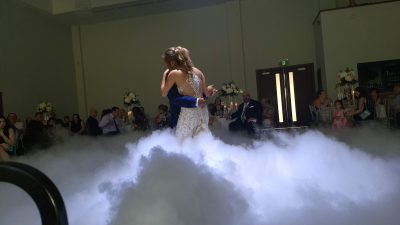
Traditions have a cost, and it is rarely in the headline package. A second ceremony can mean a second setup. A cultural dinner course can add per-head cost. Fireworks, dry ice, uplighting, a bilingual MC and extra musicians all add up.
Decide which traditions are worth paying for and which can be simplified. A meaningful blessing does not need a full production. A cultural dance block does not need a live band. Put the money into the moments guests will remember, not the ones that only photograph well.
Common mistakes when planning traditions
- Treating one culture as the main event. Guests notice when one family gets a ceremony and the other gets a toast.
- Springing a tradition on the DJ on the day. If it needs music, a microphone or a cue, it needs to be in the brief.
- Putting the cultural block too late. The older guests leave, and the moment lands in an empty room.
- Forgetting the pronunciation. A mispronounced family name is the fastest way to lose the room.
- Inviting every tradition and assigning no owner. Someone has to be responsible for the bread, the crowns, the envelopes or the plates.
- Ignoring venue rules. Fire, smoke, rice, confetti and plate smashing are not allowed everywhere.
Music traditions by culture
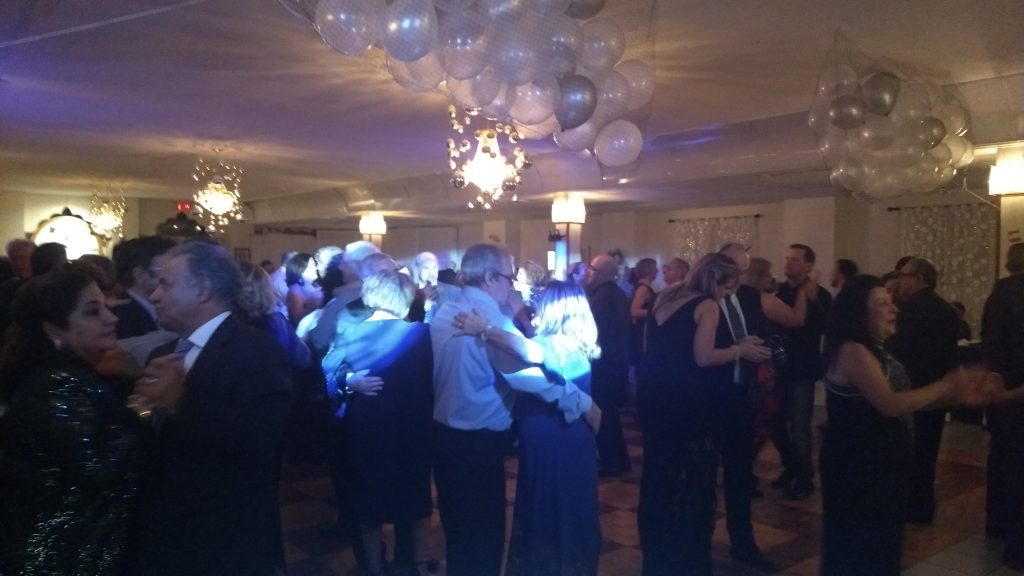
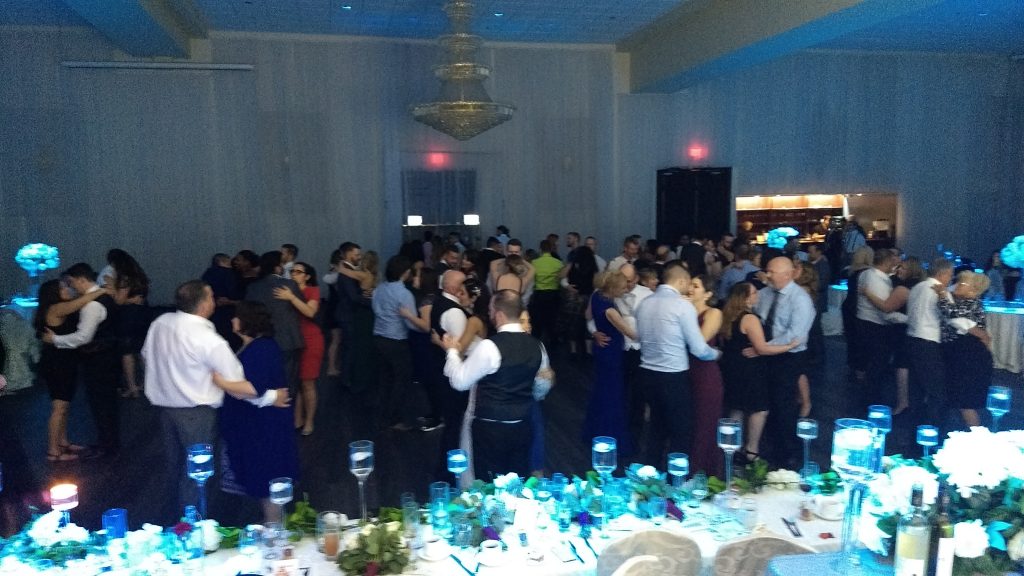
Music is where traditions become physical. A tarantella gets every generation on the floor. A pimba block does the same for a Portuguese crowd. A Greek circle dance pulls in people who were sitting all night.
Build the cultural block for the peak of the night, not the start of dinner. Then transition into a universal song so the rest of the room stays involved.
Read the culture guides: Portuguese wedding traditions, Italian wedding traditions and European wedding traditions.
A simple planning checklist
- List the traditions each family expects.
- Mark each one as must-do, nice-to-have or skip.
- Assign an owner for each tradition — not “someone,” a name.
- Put the must-dos on the timeline with real durations.
- Confirm the venue rules that affect them.
- Give the DJ and MC the names, pronunciations and cues.
- Build one cultural music block and one universal block.
- Leave 15 minutes of buffer around dinner and speeches.
Frequently asked questions
What are the most common wedding traditions in Toronto?
Church or civil ceremonies, family entrances, speeches, first dances, cultural music blocks and a long dinner. Portuguese, Italian, Greek, Polish, South Asian and Caribbean traditions are all common across the GTA.
How do we blend two cultures in one wedding?
Give each culture a real moment, agree on the language plan, decide whether you are having one or two ceremonies, and protect the timeline. Ask each family for one non-negotiable and make that excellent.
Do we have to follow every tradition?
No. Choose the ones that mean something and skip the rest. A shorter, intentional ceremony usually feels better than a checklist.
How do we include older relatives who do not speak English?
Use a bilingual MC, print a simple program, and host key moments in both languages. Do not rely on a family member to translate live during the ceremony.
Can our DJ handle cultural music?
Yes — if the DJ asks the right questions. Give them the must-play songs, the do-not-play list and the names of the moments that matter. See the culture guides for specific song ideas.
Check your Toronto wedding date
Tell us your date, venue and guest count. We will confirm availability and send a clear quote within one business day. Call 416-477-2829 or send us your details.
Compare wedding DJ packages, read the 2026 cost guide, or see the multicultural wedding DJ guide.